Source molded automotive rubber parts for Vehicle, Industrial, Electronic
Compare 30 listings for molded automotive rubber parts from verified Chinese manufacturers. Buyers can evaluate materials like NBR and silicone, customization options, and lead times for vehicle, industrial, and electronic applications; compare the available evidence and request quotations based on your requirements.
Key considerations
Products List




Comprehensive Sourcing Guide
Molded Automotive Rubber Parts Sourcing Guide
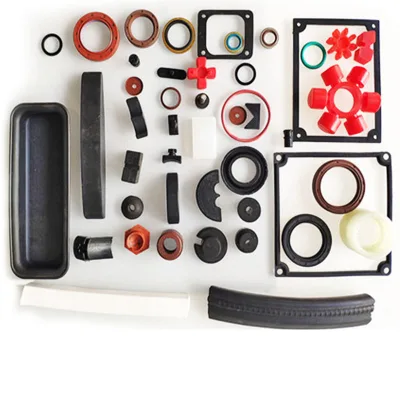
Sourcing molded automotive rubber parts requires a disciplined approach to material selection and design validation, as these components play a critical role in vehicle durability and performance. Buyers must recognize that the automotive sector demands high precision, where parts serve diverse functions ranging from sealing and vibration damping to structural support. The observed market indicates that customization is widely available, allowing manufacturers to tailor components to specific vehicle architectures. This flexibility is essential for meeting the unique engineering requirements of modern automotive systems, where standard off-the-shelf solutions often fall short of performance expectations.
Procurement teams should prioritize suppliers who offer comprehensive customization services, including logo acceptance and color matching, to ensure brand consistency and part identification. The ability to produce parts in various colors, such as black, red, or white, aids in quality control and assembly line efficiency. Furthermore, the availability of custom sizing and modeling means that buyers can specify exact dimensions and geometries, reducing the need for secondary machining or modification. This level of customization ensures that the final product integrates seamlessly into the vehicle, minimizing assembly errors and enhancing overall system reliability.
Product Scope and Observed Listing Signals
The product landscape for molded automotive rubber parts encompasses a wide array of materials, including NBR, SBR, Silicone, EPDM, and Chromium-based compounds. These materials are selected based on their specific chemical and physical properties, such as resistance to oils, heat, and weathering. The observed listings highlight that these parts are not limited to automotive use but also serve industrial, electronic, and household applications. This versatility suggests that many manufacturers possess the capability to produce high-quality rubber components for multiple sectors, ensuring that automotive buyers can rely on established production lines and proven manufacturing techniques.
Observed listing signals indicate a strong emphasis on industrial and flooring applications, alongside specific automotive uses like auto parts. The presence of features such as corrosion resistance, wear resistance, and heat resistance underscores the durability required in automotive environments. Buyers should note that while some listings mention general industrial uses, the core focus remains on creating robust components that can withstand harsh conditions. The availability of parts in various hardness ranges, from 20 to 90 Shore, allows for precise tuning of flexibility and rigidity, which is crucial for applications like gaskets, seals, and mounts.
Technical Specifications to Verify
When evaluating technical specifications, buyers must verify the material composition and hardness ratings to ensure compatibility with the intended automotive application. The observed data shows that materials like Silicone Rubber and NBR are commonly used, each offering distinct advantages in terms of temperature resistance and chemical stability. It is essential to confirm that the selected material can withstand the specific operating conditions of the vehicle, such as exposure to fuels, lubricants, or extreme temperatures. Additionally, the hardness range of 20 to 90 Shore provides a broad spectrum of options, allowing for the selection of parts that balance flexibility with structural integrity.
Dimensional accuracy and model specifications are equally critical, with observed models like PLUX-R070305 and KT-Rubber-Parts indicating a variety of standardized and custom designs. Buyers should request detailed drawings and specifications to ensure that the parts meet the exact dimensional requirements of their assembly. The ability to customize size and type according to customer requirements is a key feature, but it must be backed by rigorous quality control processes. Verifying the manufacturing capabilities, such as the monthly capacity of 100,000 pieces, ensures that the supplier can meet production demands without compromising on precision or consistency.
Compliance and Safety Documentation
Compliance with international standards is a non-negotiable aspect of sourcing automotive rubber parts, as these components must meet stringent safety and performance regulations. The observed certifications, including ISO, ISO-9001, SGS, CE, and RoHS, provide a baseline for quality management and environmental compliance. Buyers should verify that the supplier holds valid certificates and that these certifications are up-to-date, as they demonstrate a commitment to maintaining consistent quality standards. The presence of these certifications also facilitates smoother audits and inspections, reducing the risk of non-compliance issues during the procurement process.
In addition to certifications, buyers should request detailed documentation regarding the material safety data sheets (MSDS) and test reports for each batch of parts. These documents provide critical information about the chemical composition and performance characteristics of the rubber compounds used. Ensuring that the parts comply with relevant automotive industry standards, such as ASTM D2000, is essential for validating their suitability for specific applications. Buyers must also consider the environmental impact of the materials, particularly if the vehicle is intended for markets with strict emissions and recycling regulations.
Cost Drivers and Commercial Terms
Cost drivers for molded automotive rubber parts include material selection, customization complexity, and order volume. The observed price range of 0-18 USD suggests that costs can vary significantly based on the specific requirements of the order. Buyers should analyze the cost breakdown to understand how factors such as material type, hardness, and color affect the final price. Customization, including logo printing and specific packaging requirements, may incur additional charges, so it is important to clarify these details upfront to avoid unexpected costs. Understanding these drivers helps in negotiating better terms and optimizing the overall procurement budget.
Commercial terms, such as lead time and minimum order quantity (MOQ), also play a significant role in the total cost of ownership. The observed lead time of 15-20 days and MOQs ranging from 1 to 10,000 pieces offer flexibility for different order sizes. Buyers should assess whether the supplier can accommodate their production schedule and inventory requirements. Additionally, the supply ability of 1,000,000 pieces per day indicates that the supplier has the capacity to handle large orders, which can be beneficial for scaling production. Clear communication regarding these terms ensures a smooth transaction and minimizes the risk of delays or shortages.
Supplier Qualification and Quality Control
Supplier qualification is a critical step in ensuring the reliability and consistency of molded automotive rubber parts. Buyers should conduct thorough due diligence to verify the supplier’s manufacturing capabilities, quality management systems, and production history. The observed place of origin, primarily Xiamen and Zhejiang in China, indicates a concentration of manufacturing expertise in these regions. Buyers should visit the facilities or request virtual tours to assess the production environment and equipment. This direct observation helps in evaluating the supplier’s ability to maintain high standards of quality and efficiency.
Quality control processes should be rigorously evaluated, with a focus on incoming material inspection, in-process monitoring, and final product testing. Buyers should request information on the supplier’s quality control protocols, including the use of statistical process control and defect tracking systems. The ability to provide export packing and adhere to customer-specific packaging requirements is also a sign of a mature quality management system. By selecting a supplier with robust quality control measures, buyers can minimize the risk of defects and ensure that the parts meet the required specifications consistently.
Long-Term Procurement Checks
Long-term procurement checks involve establishing a framework for continuous improvement and relationship management with suppliers. Buyers should implement regular performance reviews to assess the supplier’s adherence to quality standards, delivery schedules, and cost commitments. These reviews should include feedback from internal stakeholders, such as engineering and production teams, to identify any areas for improvement. By maintaining open communication and fostering a collaborative relationship, buyers can work with suppliers to address issues proactively and enhance the overall supply chain efficiency.
Additionally, buyers should monitor market trends and technological advancements in rubber molding to stay ahead of potential disruptions. This includes keeping an eye on changes in material availability, regulatory requirements, and competitor activities. By staying informed, buyers can make strategic decisions about sourcing, such as diversifying suppliers or exploring new materials. Regular audits and updates to the supplier qualification criteria ensure that the procurement process remains aligned with the company’s long-term goals and quality expectations. This proactive approach helps in building a resilient and adaptable supply chain.
FAQs
Can molded automotive rubber parts be customized to specific designs?
Yes, customization is available for molded automotive rubber parts. Buyers can provide their own designs or specifications for production. The manufacturer accepts customized logos, colors, and sizes to meet unique requirements. This flexibility ensures that the final rubber components fit precisely into automotive assemblies and meet specific engineering standards.
What materials are used for these rubber parts?
These parts are manufactured using various high-quality rubber materials including NBR, SBR, Silicone, EPDM, and Chromium. The selection depends on the specific application requirements such as heat resistance, oil resistance, or flexibility. Silicone rubber is also available for specialized electronic or high-temperature automotive applications requiring durability.
What is the typical lead time for production?
The typical lead time for production is 15 to 20 days, depending on the complexity of the design and order volume. This timeframe allows for proper mold preparation, material curing, and quality inspection. Buyers should account for this duration when planning their supply chain logistics and inventory management for automotive components.
What certifications do the rubber parts hold?
The rubber parts hold ISO certification, ensuring adherence to international quality management standards. Additional certifications such as ISO-9001, SGS, CE, and RoHS may be available depending on the specific product line and customer requirements. These certifications verify the material safety and manufacturing consistency required for automotive and industrial applications.
What is the minimum order quantity for these parts?
The minimum order quantity varies, with some products requiring 1000 pieces while others may accept lower MOQs down to 1 piece. The standard MOQ is often 1000 PCS for customized items. Buyers should confirm the specific MOQ with the supplier based on the chosen material, size, and customization level.
Where are these rubber parts manufactured?
These rubber parts are manufactured in China, specifically in regions like Xiamen and Zhejiang. The production facilities have a monthly capacity of up to 100,000 pieces. This location allows for efficient logistics and dispatch through major ports like Shanghai and Ningbo, ensuring timely delivery to global automotive markets.